Working Lands,Wild Futures
Voluntary, science-informed conservation that keeps ranches and rangelands intact, productive, and full of wildlife.
Our Approach
We Keep Working Lands Intact, And Profitable
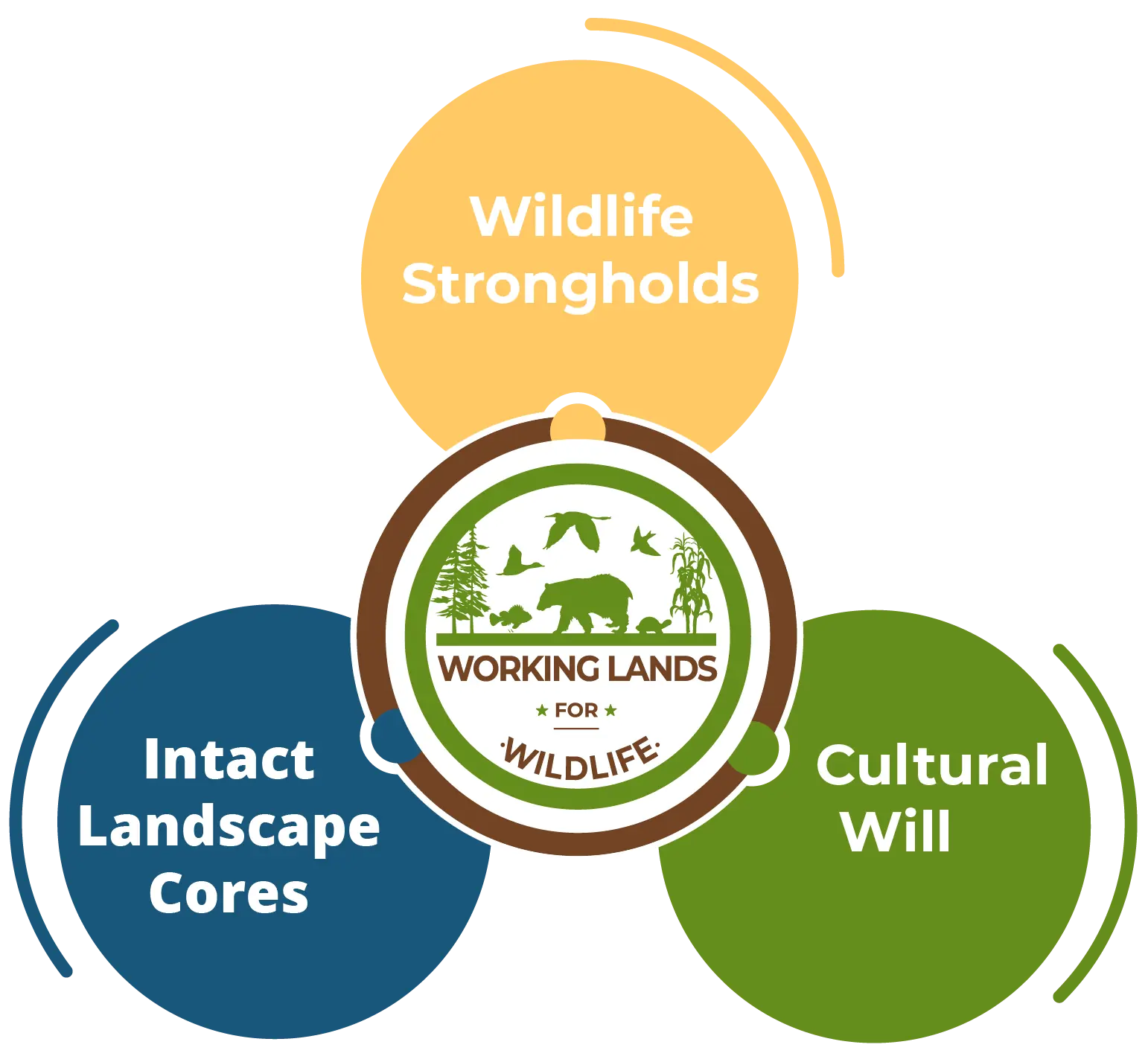
In the West, Working Lands for Wildlife benefits wildlife and landowners through win-win voluntary conservation. Our approach is science informed, landowner led, and agency supported. We focus our efforts where there is a clear ecological need, where landowners are willing, and where there is support from partners and agencies.
Our highly targeted approach saturates priority geographies with conservation practices that address top-level drivers of ecological degradation. To do this, we identify intact landscapes and implement practices that defend them from threats. This approach is more effective, cost-efficient, and produces long-lasting, durable conservation outcomes. Through co-produced science, we ensure that these conservation practices boost landowner and wildlife success.
Principles
The WLFW Approach
How we put science, landowner leadership, and agency support into action.
Science Informed
Peer-reviewed research and remote sensing tell us where action is most likely to deliver durable ecological return.
Landowner Led
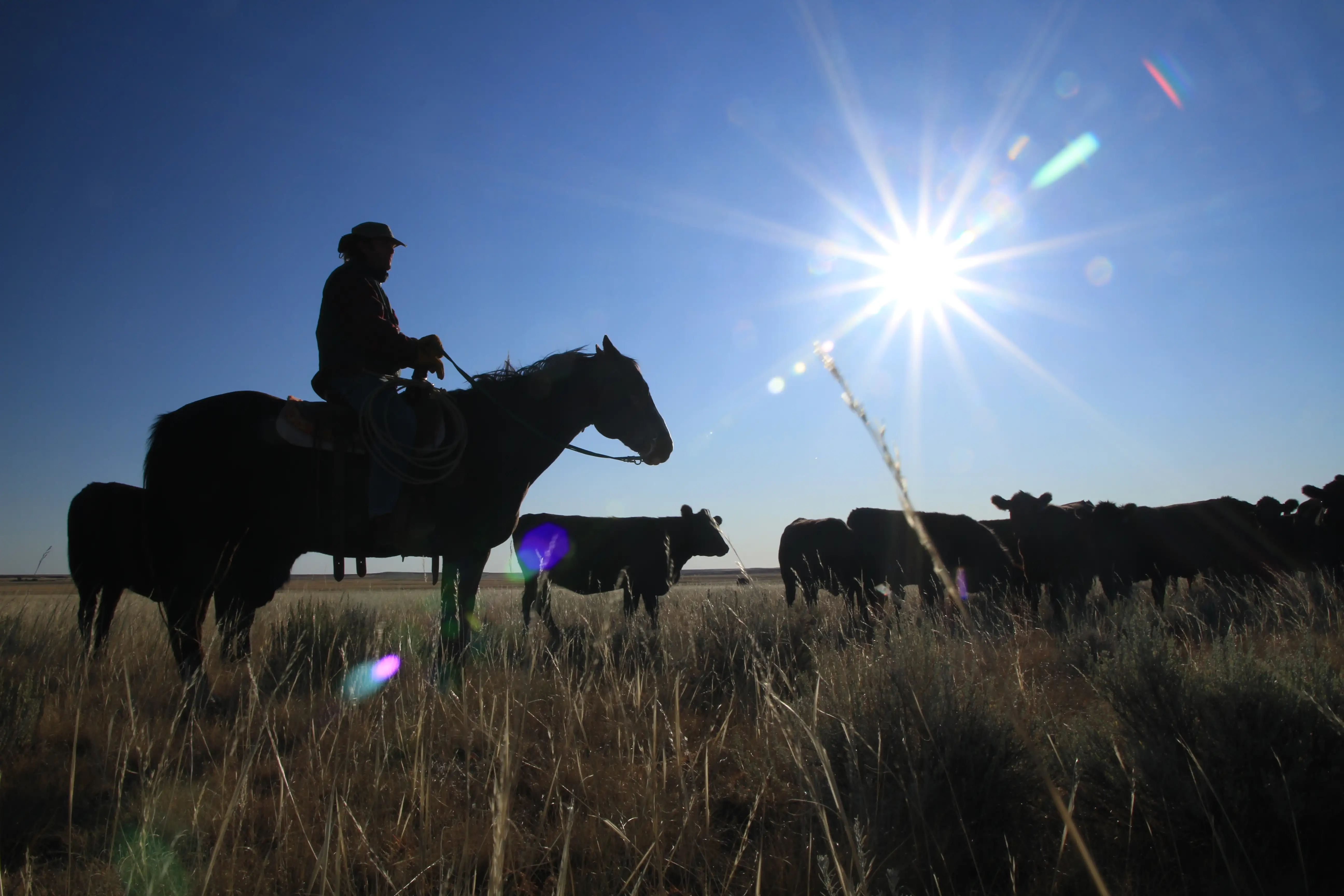
We listen to ranchers, farmers, and forest owners, respecting their knowledge and their goals.
Agency Supported
Federal, state, and local partners align behind the same priorities, stacking Farm Bill tools and technical assistance.
Saturates Target Geographies
We concentrate practices in priority landscapes so investments compound.
Addresses Top-Level Drivers
Conservation tackles the primary drivers of degradation, saturating priority geographies with holistic, horizon-to-horizon solutions.
Co-Produced Outcomes
Science is produced with landowners and partners to verify practices deliver the intended benefits for wildlife and working lands.
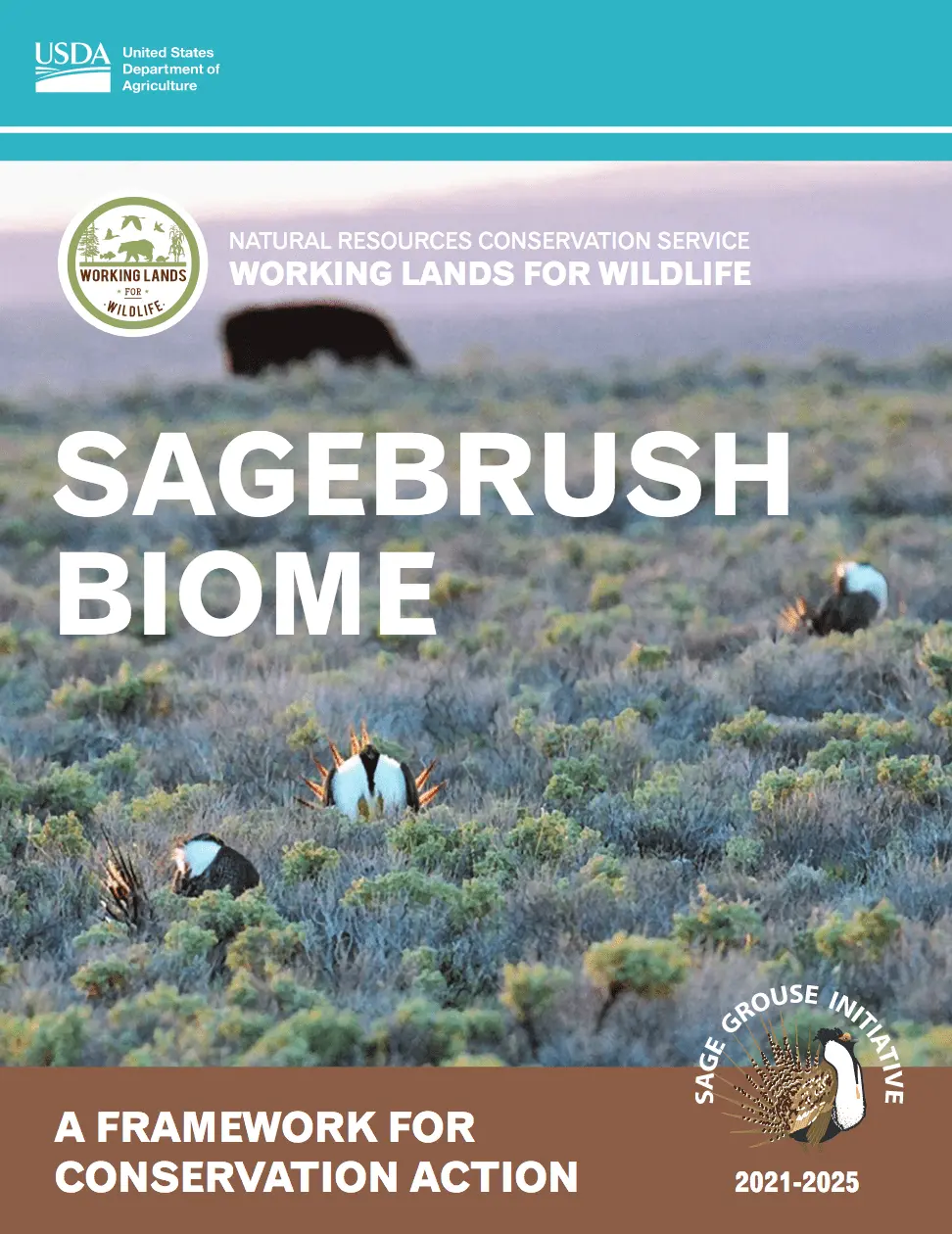
Sagebrush Biome
Framework For Action
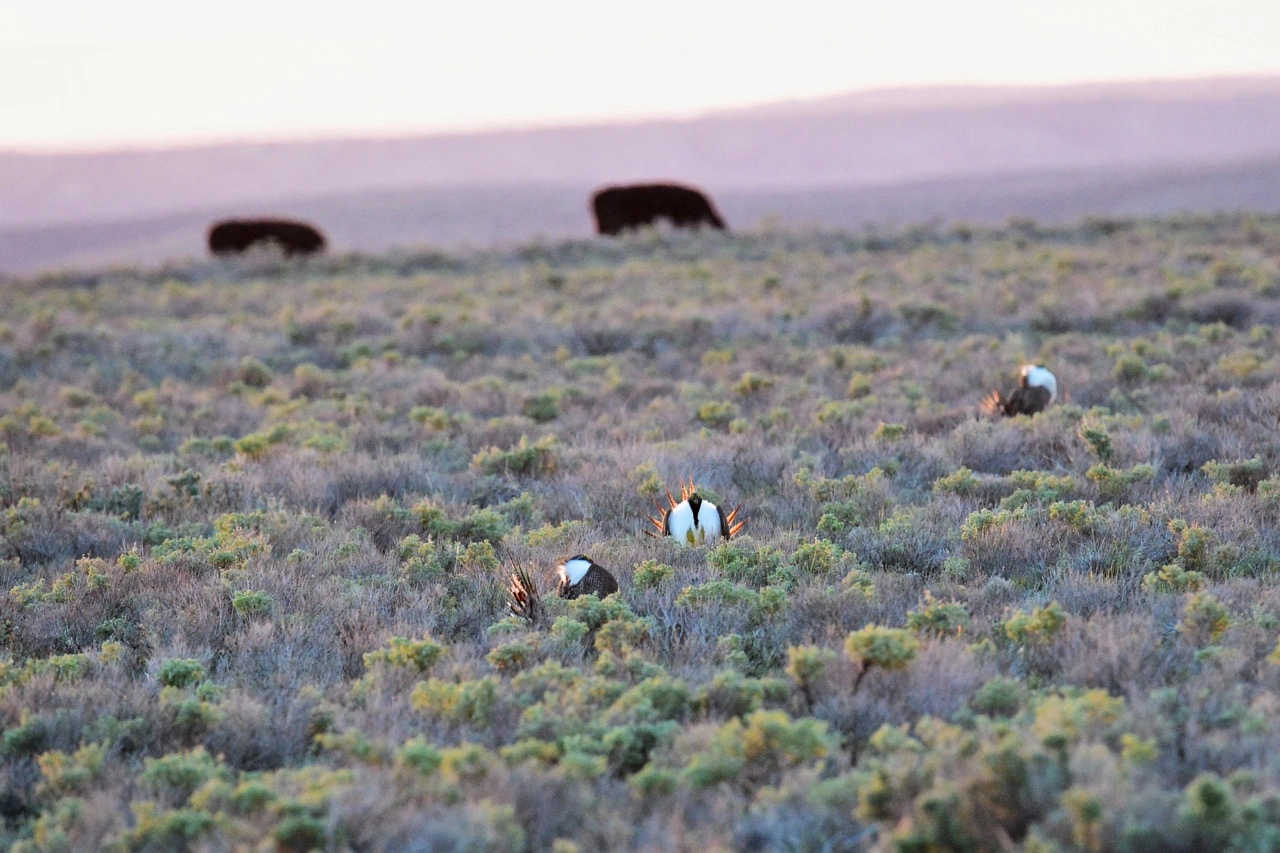
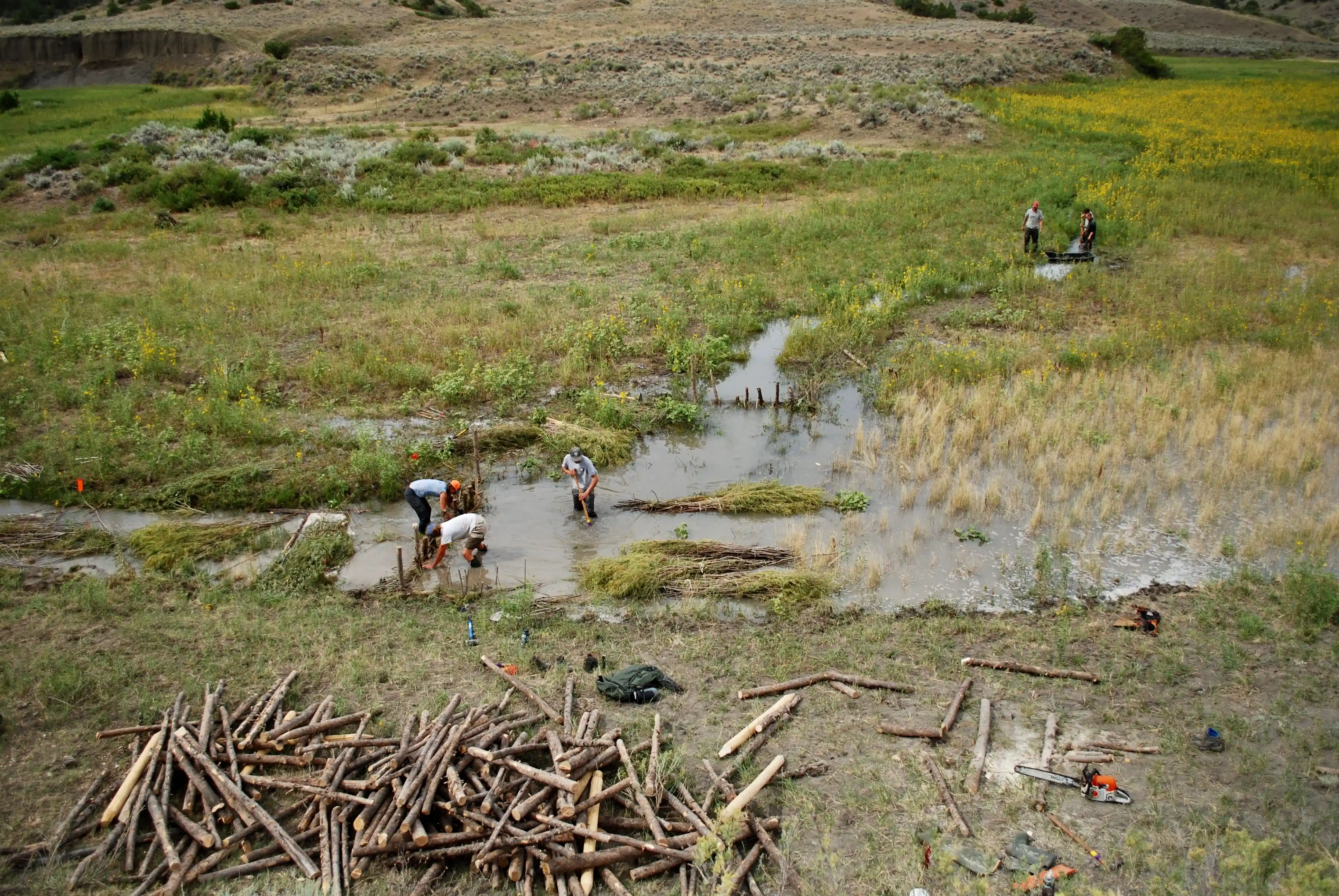
Working Lands for Wildlife's Framework for Conservation Action in the Sagebrush Biome provides a collaborative roadmap for conserving America's largest rangeland ecosystem. By targeting voluntary, win-win conservation efforts within intact core areas, we empower landowners to defend working rangelands against four primary threats: exotic annual grasses, land-use conversion, woodland expansion, and mesic resources degradation. Learn how we sustain rural economies and wildlife at www.wlfw.org.
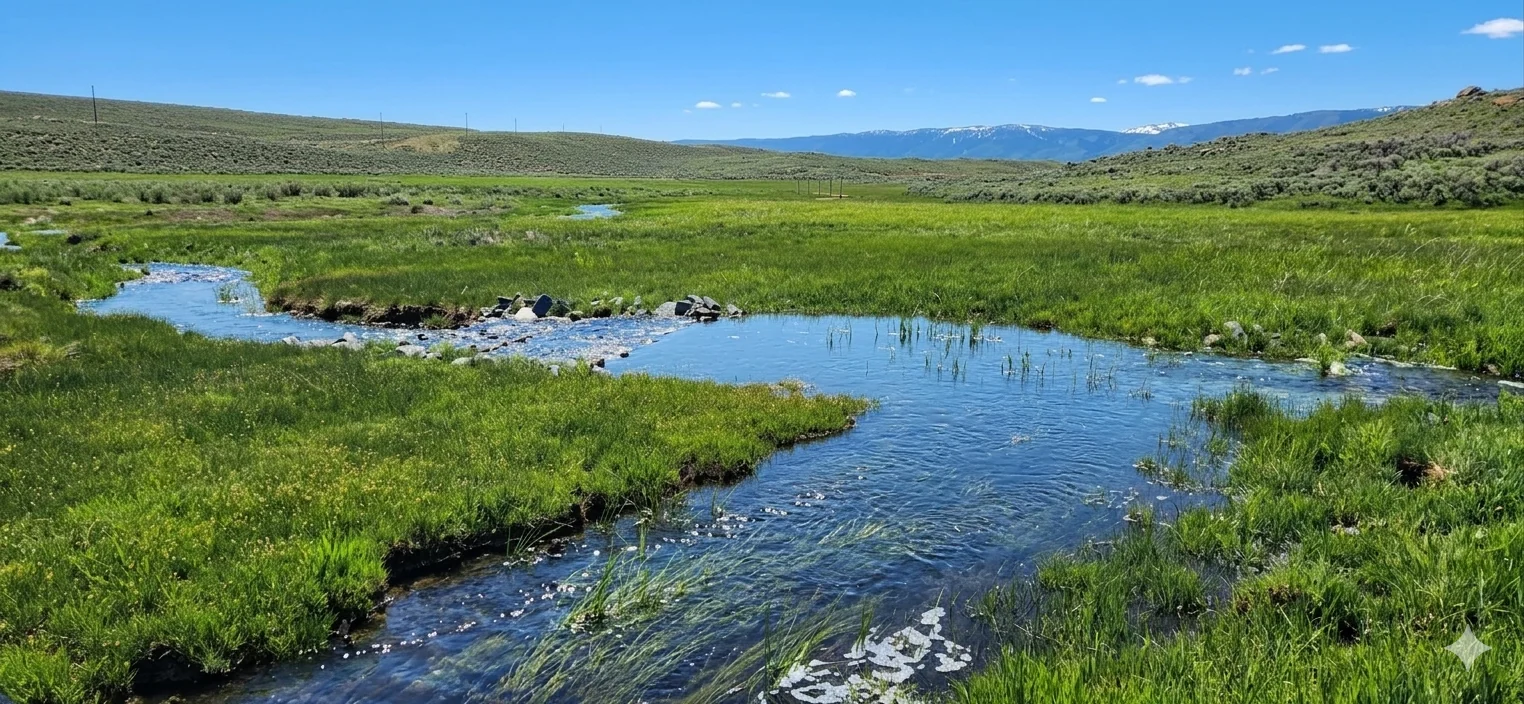
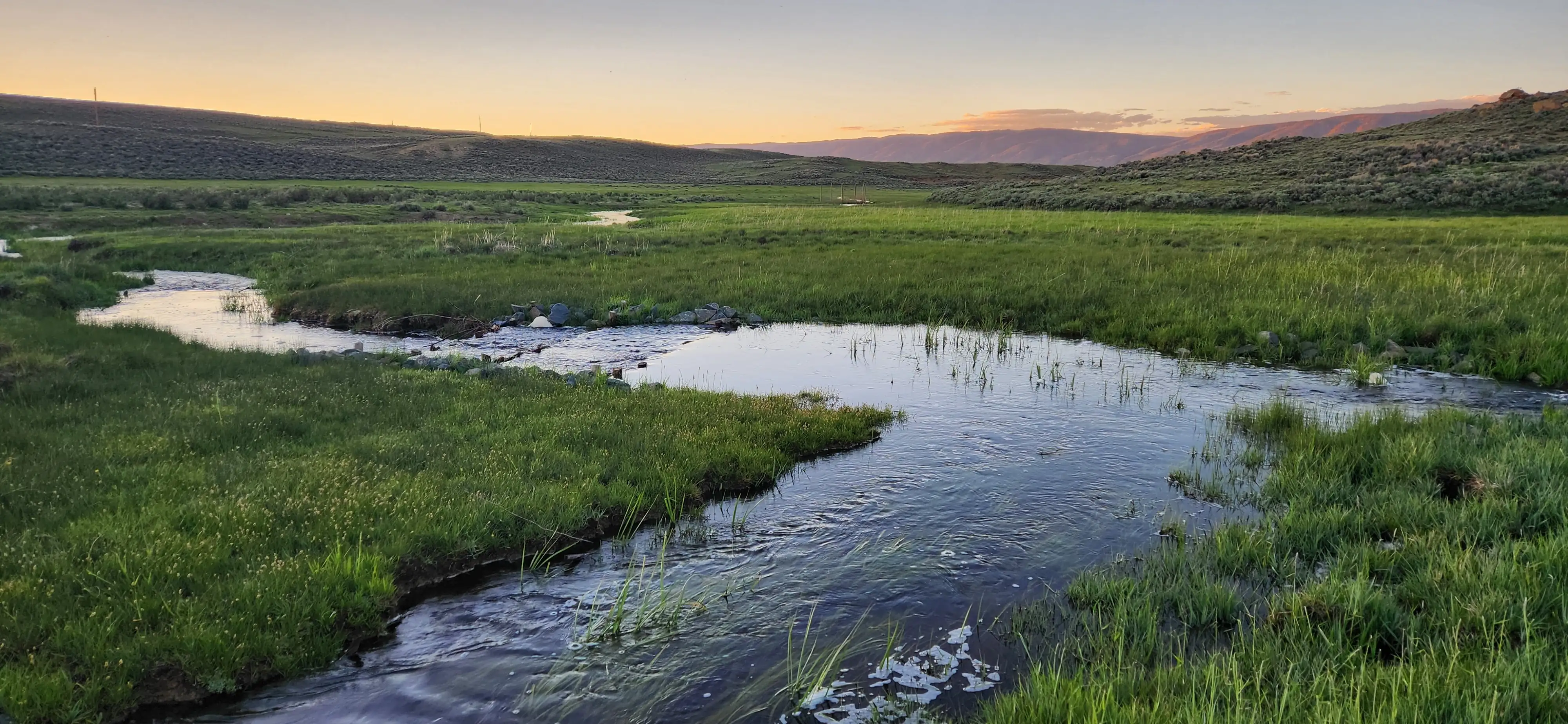
Prioritize Landscapes For Lasting Resilience.
Identify, score, and act on the highest-impact restoration opportunities across the sagebrush biome. Backed by science, built for partners.
© 2026 Working Lands for Wildlife. All rights reserved.